Mechanical & Public Health Design for Commercial Buildings
WTS Plumbing & Heating Ltd designs the mechanical and public health services for commercial buildings: heating, hot and cold water, drainage, ventilation, air conditioning and the plant that serves them. The work is done from our office at Jayes Park Courtyard in Ockley, about seven miles south of Dorking on the A29, and from there we cover Surrey and London. On the Surrey side that means offices, schools, retail units, healthcare buildings and industrial units around Dorking, Reigate, Leatherhead, Ashtead, Epsom, Banstead, Cheam and Cranleigh. In London it means mechanical installation work for main contractors, which is where our named projects sit, including Moonbug Camden Lock, Kew Gardens, Cabot Square, Cannon Street, Voysey House and Moor House Level 9. Our in-house designers work alongside consultant partners we work with regularly, and the same company then installs and commissions what has been drawn, so the design is produced by people who will have to make it work on site.
In-House Designers Who Also Install
The design errors that cause trouble on site are nearly always practical ones: a pipe route that cannot be built, a plant room with no space to pull a coil, a drainage fall that does not exist once the slab levels are known. Our designers work for the same company as the engineers who fit and commission the systems, so those questions get asked at the drawing stage rather than on site. We coordinate with the main contractor, the architect and the structural engineer from the first layout, and we check mechanical, public health and electrical services against each other before anything is issued. Contractors often call this M&E or MEP design; WTS covers the mechanical, HVAC and public health side and coordinates the electrical design alongside it. Where a building already has services, we survey them first and design around what is worth keeping, which is often cheaper than starting again.
Design Support Across the RIBA Stages
We can pick a project up at RIBA Stage 2 with a concept and a plant space allowance, take it through Stage 3 spatial coordination and Stage 4 technical design, and carry it into Stage 5 construction as the installer. Often a main contractor brings us a consultant's Stage 3 or 4 package under a design and build contract and asks us to complete it, take cost out of it where the design allows, and make it buildable. At each stage the output is the same set of things a project team actually needs: heat loss and cooling load calculations, hot and cold water demand, drainage and rainwater sizing, ventilation rates, pipework and ductwork layouts, plant schedules and a specification the site team can price and order from.
3D Modelling & BIM Coordination
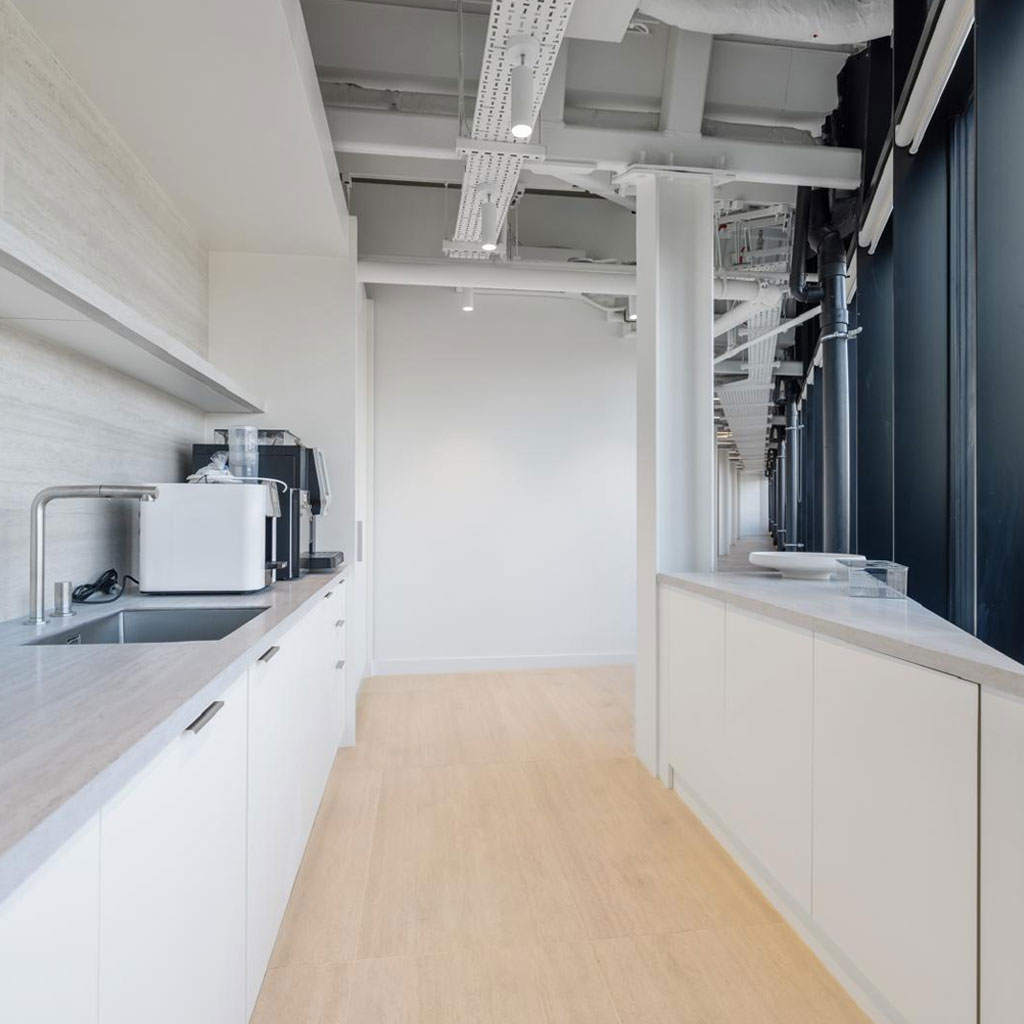
We model our mechanical and public health services in 3D and issue them into the project BIM environment so they can be federated with the architectural, structural and electrical models. Clash detection then happens on screen rather than in a ceiling void with a hole saw. On a single floor of an occupied office building that matters: the ceiling zone is fixed, the risers are where they are, and every duct, pipe and cable tray has to be proved to fit before the ceiling grid goes in. The model also gives the client something that lasts. Handed over at completion, it records what was installed and where, which is the starting point for every future alteration or maintenance contract.
Low Carbon Building Services Design
Every design we produce is asked the same question early: can this building be heated and cooled without gas, and if not yet, what has to be in place so it can be later. WTS is MCS certified for heat pumps and F-Gas registered for refrigerant systems, so air source heat pumps, air conditioning and low temperature heating circuits are designed and installed by our own engineers. Where a client's brief is a carbon reduction target, an EPC improvement or a planning condition, we size the plant to meet it and show the working. Where the brief is simply a lower running cost, the same calculations tell the client what each option will cost to install and to run before they commit.
How We Deliver a Design
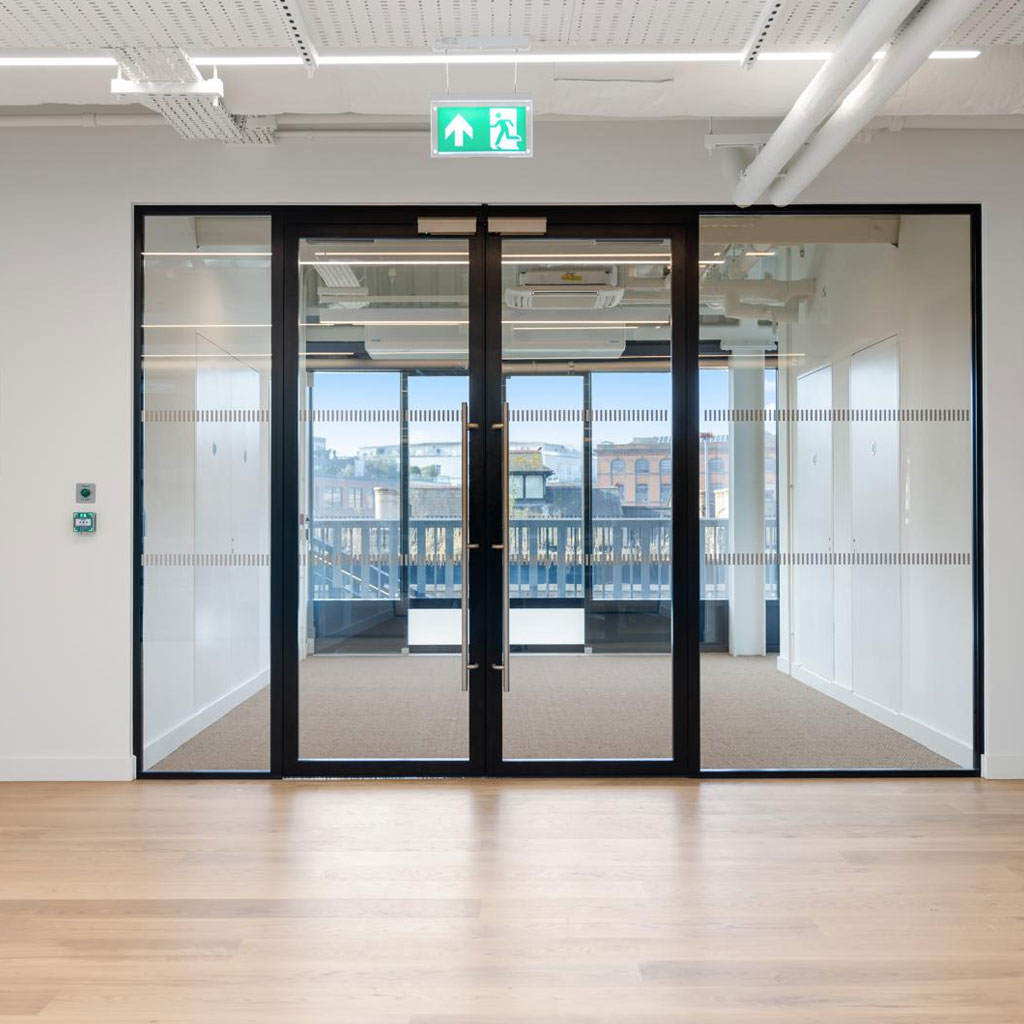
A design job with WTS starts with a survey of the building and a meeting with whoever will use the drawings: the main contractor, the client's consultant or the facilities team. We agree the scope, the stage and the deliverables in writing, then issue layouts, schematics, calculations and schedules in a numbered sequence so everyone is working from the same revision. Plant room layouts, riser diagrams and pipework and drainage routes are checked against the structure and the electrical design before issue. Because the same company can install and commission the scheme, the drawings are produced to be built from, priced from and signed off against, not just to satisfy a planning submission. The result is fewer requests for information from site, fewer variations, and a handover file that matches what was actually installed.
Our design and modelling work includes:
- Mechanical and public health design from Stage 2 to Stage 5
- Completion of consultant packages under design and build contracts
- Building surveys, feasibility studies and load calculations
- 3D modelling, BIM coordination and clash detection
- Heat pump, air conditioning and low temperature heating system design
- Coordination with electrical, structural and architectural teams
- Specifications, schedules and Building Regulations compliance
- Lead coordination of the full building services design
Designing for Existing and Occupied Buildings
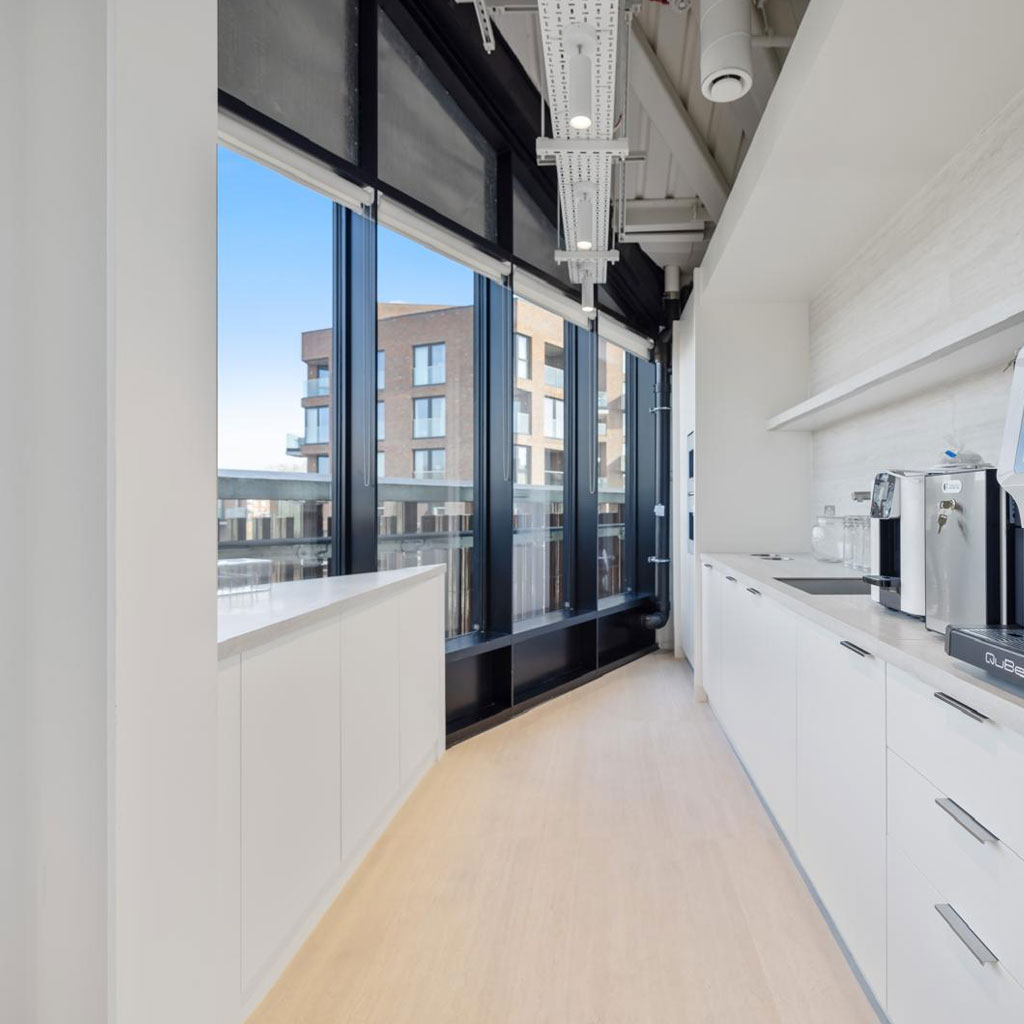
Much of the commercial work WTS takes on is in buildings that are already standing and often still in use: a single floor of a multi-tenant office in the City, a heritage building being given a new purpose, a school where the plant can only be replaced in the holidays. Designing for these means surveying what is there, finding out what the existing risers, incoming services and structure will allow, and planning the work in phases so the rest of the building keeps running. We act as lead coordinator for the building services on these projects, managing the interfaces between mechanical, public health and electrical trades and issuing one coordinated set of drawings for the site team to work from. Temporary heating, hot water and drainage arrangements can be designed in from the start rather than improvised on site.
Contact WTS Plumbing & Heating Ltd today to talk through a commercial design or modelling project: call the Ockley office on 01306 621 057, the London number on 02080 874 309, or email info@wtsmechanical.co.uk. WTS is Gas Safe registered and an NICEIC Approved Contractor. Ask us for our Gas Safe registration number and check it on the Gas Safe Register before work starts. Design is available on its own or as the first stage of a design, install and commission contract.
Commercial services by town
Design is usually the first stage of a job WTS then installs, so the commercial pages below cover the towns where that installed work happens most: commercial plumbing around Dorking, Reigate, Epsom, Banstead and Cheam, with boiler installation, servicing and repairs in most of those towns and, on request, Putney. Each page explains the building types we work in there and how the design, installation and commissioning stages fit together for a facilities manager, landlord or main contractor.
DorkingCommercial boiler installation in DorkingCommercial boiler repairs in DorkingCommercial boiler servicing in DorkingCommercial plumbers in Dorking
ReigateCommercial plumbers in Reigate
EpsomCommercial boiler installation in EpsomCommercial boiler repairs in EpsomCommercial boiler servicing in EpsomCommercial plumbers in Epsom
BansteadCommercial boiler installation in BansteadCommercial boiler repairs in BansteadCommercial boiler servicing in BansteadCommercial plumbers in Banstead
CheamCommercial boiler installation in CheamCommercial boiler repairs in CheamCommercial boiler servicing in CheamCommercial plumbers in Cheam
PutneyCommercial boiler installation in PutneyCommercial boiler repairs in PutneyCommercial boiler servicing in Putney
Questions we are asked about design and modelling
WTS can take a project from RIBA Stage 2 concept through Stage 3 spatial coordination and Stage 4 technical design, then install it at Stage 5. In other cases a main contractor hands us a consultant's Stage 3 or 4 package under a design and build contract and asks us to complete it and make it buildable. We agree the stage and the deliverables in writing before we start.
Yes. WTS models its mechanical and public health services in 3D and issues them into the project BIM environment, where they are federated with the architectural, structural and electrical models for clash detection. The model is checked against the fixed ceiling zone and riser positions before anything is ordered, and it is handed over at completion as a record of what was installed.
Yes. Under a design and build contract WTS takes a consultant's Stage 3 or 4 package, checks it against the building and the budget, resolves coordination problems and develops it into construction drawings, schedules and a specification. Because WTS also installs, the completed design is one we are prepared to build and stand behind.
From our office at Jayes Park Courtyard in Ockley, about seven miles south of Dorking on the A29, we cover Surrey and London. Surrey work is mostly around Dorking, Reigate, Leatherhead, Ashtead, Epsom, Banstead, Cheam and Cranleigh. In London our named projects include Moor House Level 9, Cabot Square, Cannon Street, Voysey House, Kew Gardens and Moonbug Camden Lock.
Yes. WTS is MCS certified for heat pumps and F-Gas registered for refrigerant systems, so air source heat pumps, air conditioning and low temperature heating circuits are designed and installed by our own engineers. We size the plant to meet a stated carbon target, EPC requirement or planning condition, and show the client the installation and running cost of each option before they commit.
WTS needs a site visit, the architect's drawings, and a clear brief on what the building will be used for and by how many people. From those we produce a scope, a programme and a fee for the stage you need. If there are existing services, we survey them first so the design keeps what is worth keeping. Call 01306 621 057 or email info@wtsmechanical.co.uk to arrange a visit.